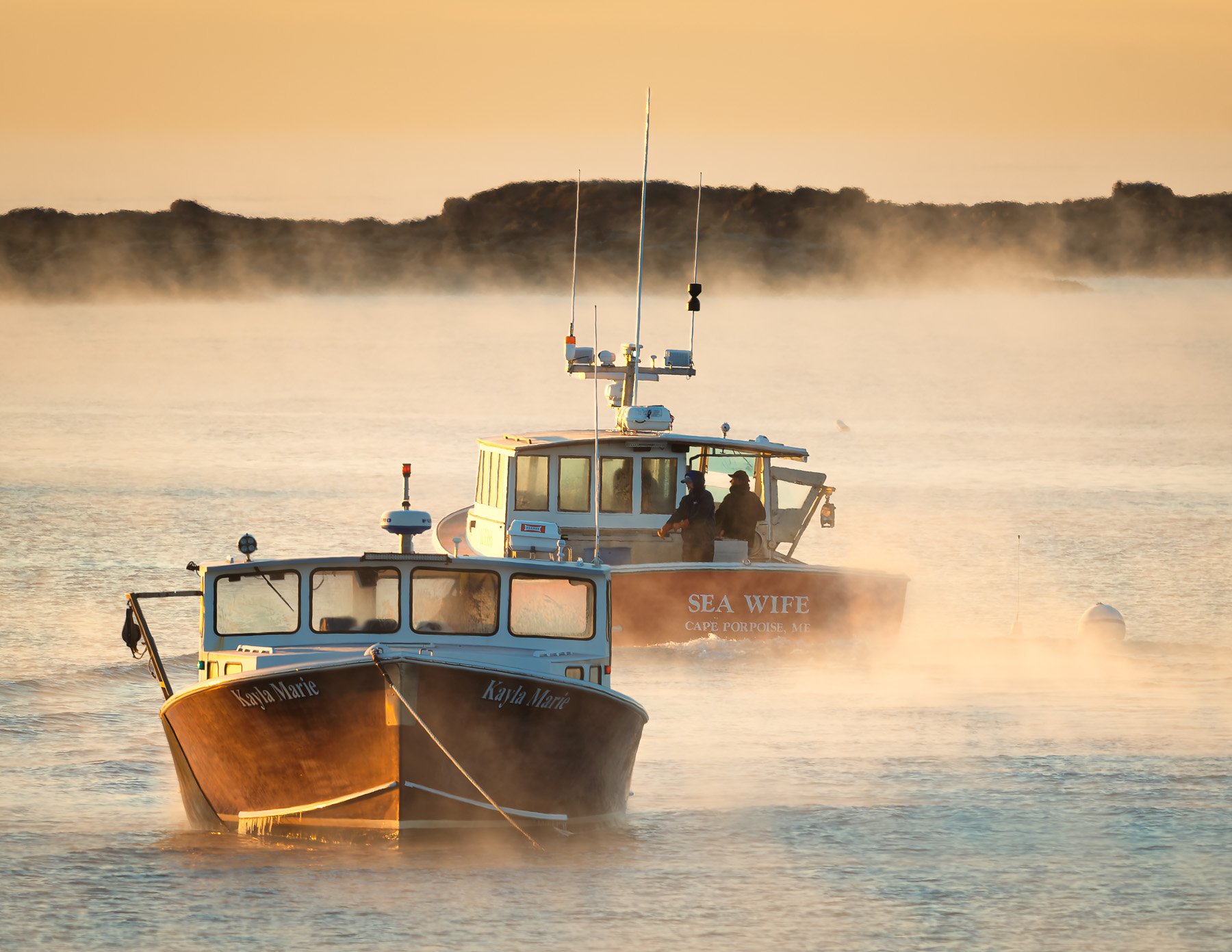
Photographing the Maine coast
The coastline of Maine is long famous for its rugged beauty, majestic views, and sandy beaches. Each Maine vehicle license plate proudly states in simple words, “Vacationland.” Maine’s year-round total population is 1.4 million, with nearly one million living on the coast. Maine has the highest percentage of uninhabited land, with almost 50% of the state vacant. In July and August, 8.5 million people spend time on the Maine coast. With 3,478 miles of tidal coastline, fifty miles more than California, ample room exists to accommodate everyone. Photographers define the Maine coast into three sections: the Southern coast, the Midcoast, and the Downeast (the northern section). The uppermost region of Downeast Maine is also referred to as the Bold Coast. The Maine Coast provides the best (and worst) attributes the four seasons have to offer. Brutally cold and stormy in winter, wet and foggy Springs, Hot and buggy summers, and colorful, cool autumns.
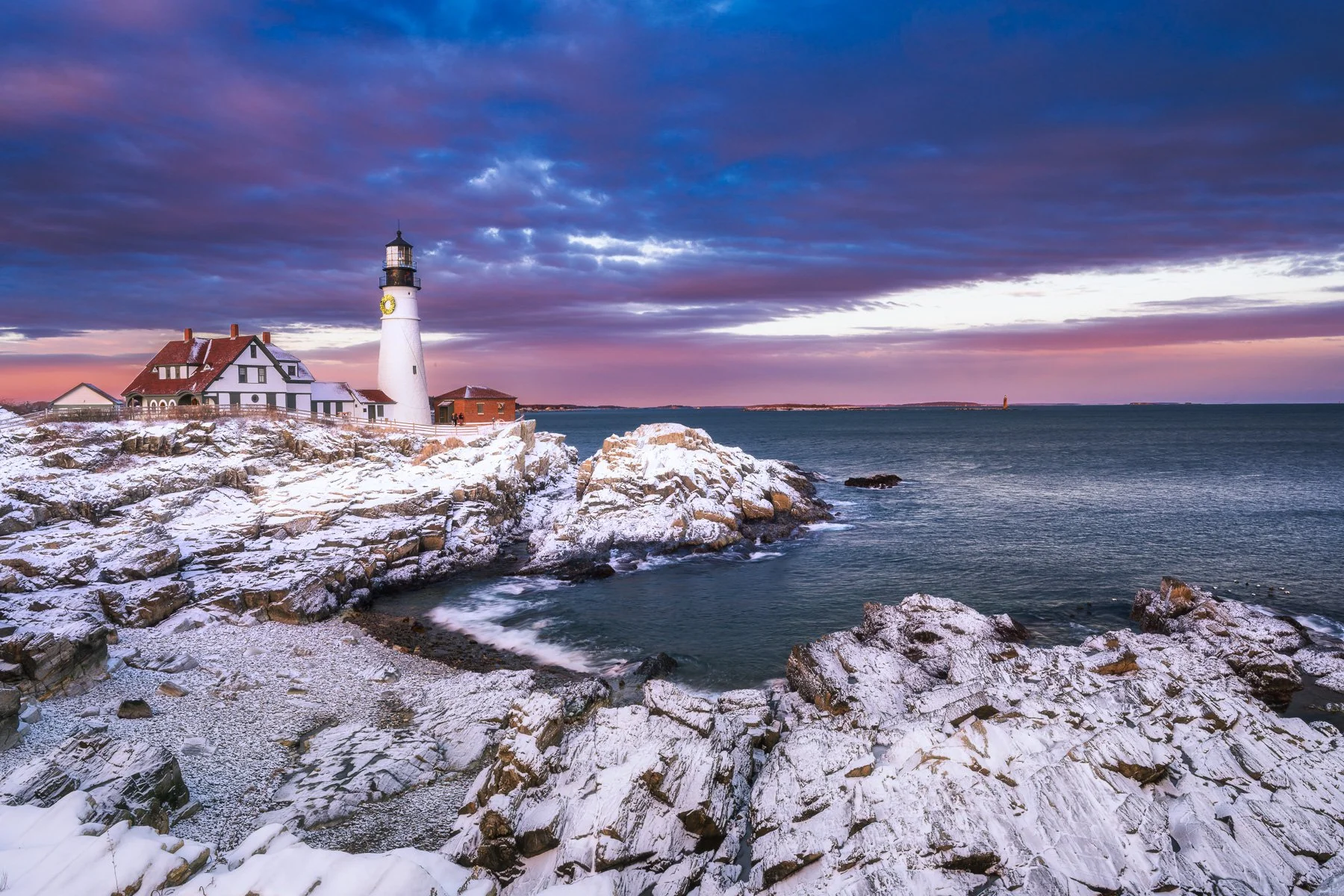
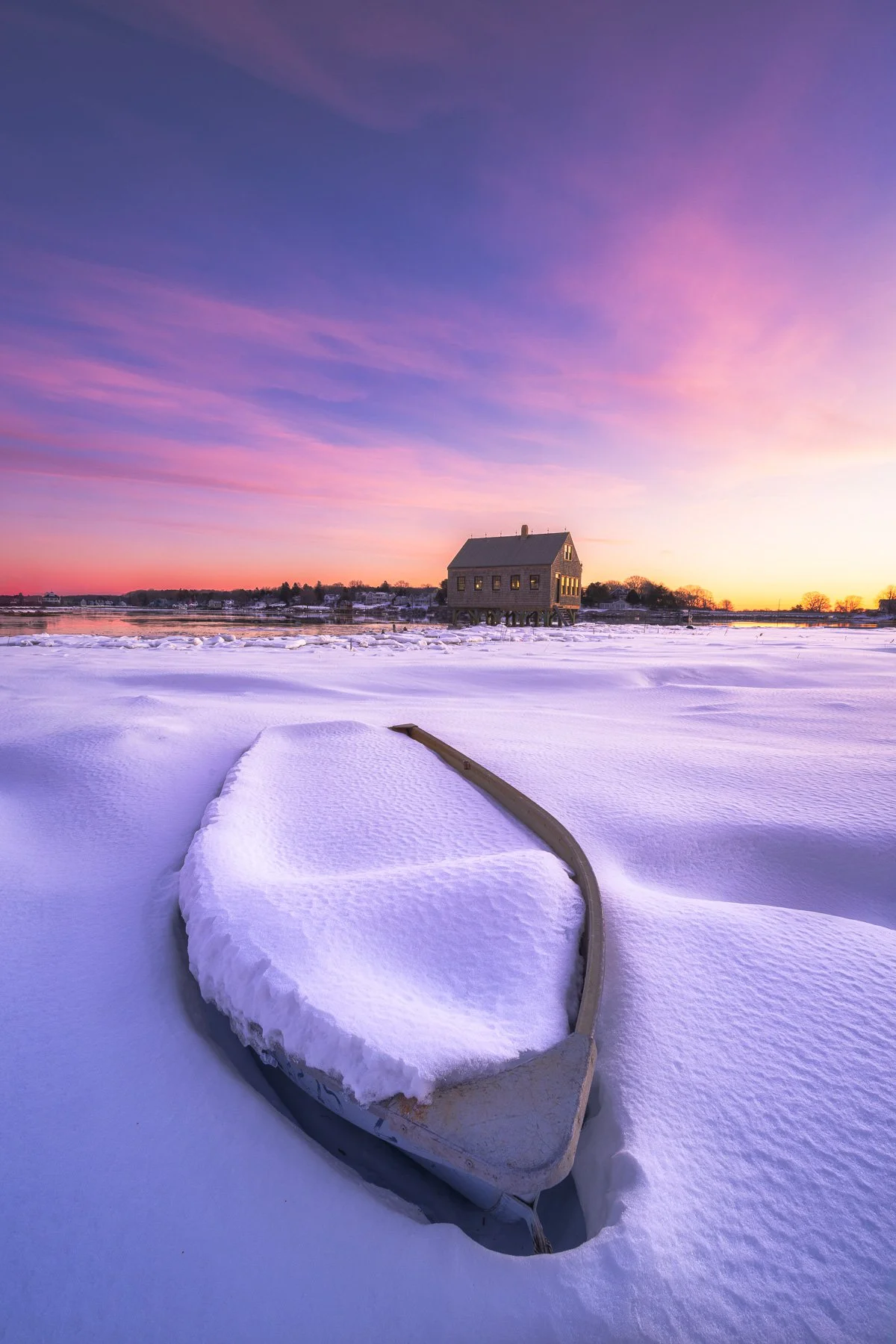
Portland Head Light
The section of the coast from the city of Portland south to the New Hampshire border makes up the southern coast. North of Portland, up to the town of Searsport, the mid-coast region extends. The Downeast section is north of Searsport and goes to the Canadian border. The cities and villages of the southern coast get most of the summer visitors, with the mid-coast being a close second. Downeast Maine is home to Maine’s biggest and most popular attraction, Acadia National Park. The uppermost tip of the Maine coastline is the town of Lubec, home to the Quiddy Point Lighthouse, which is the easternmost point in the United States.
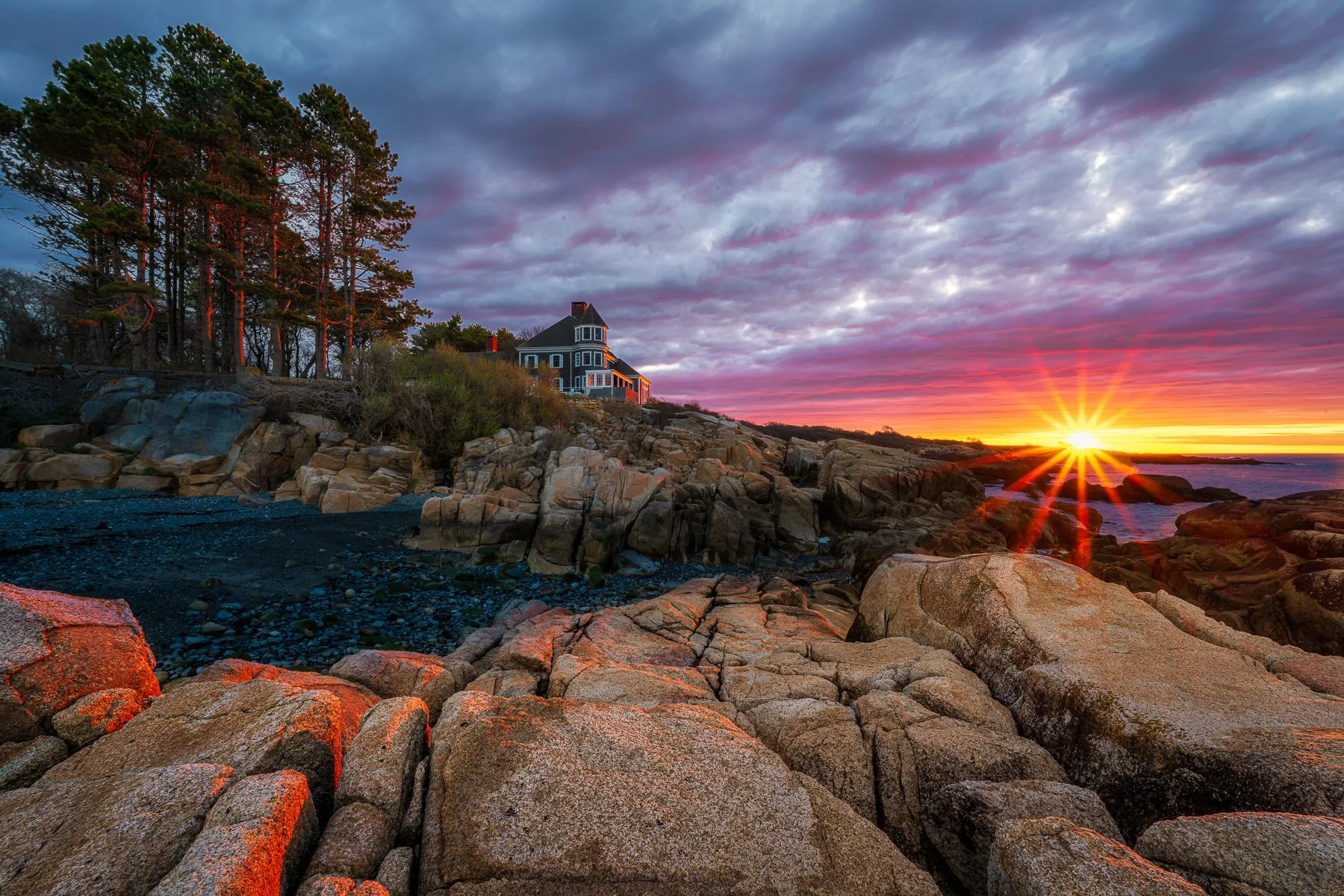
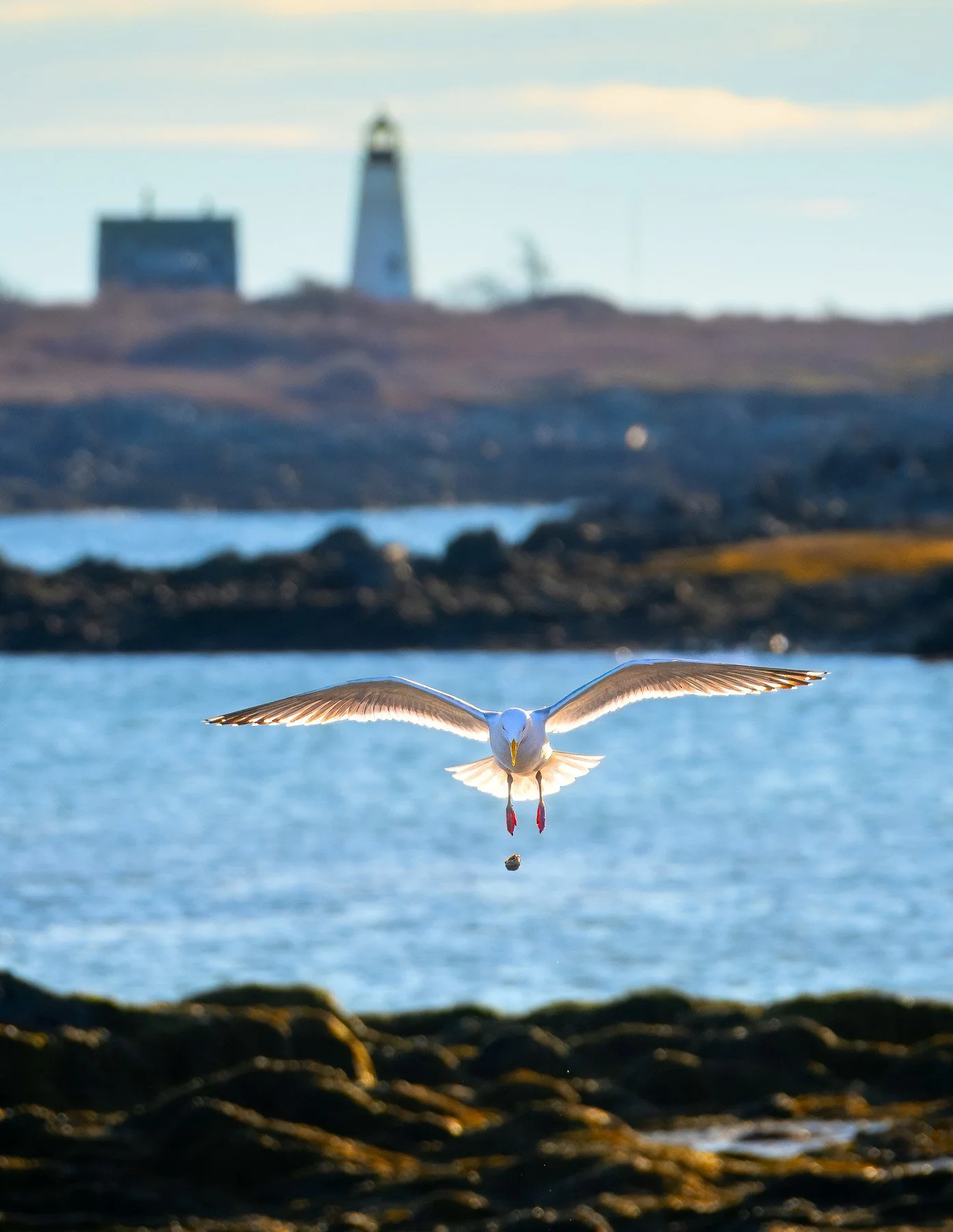
Biddeford Pool
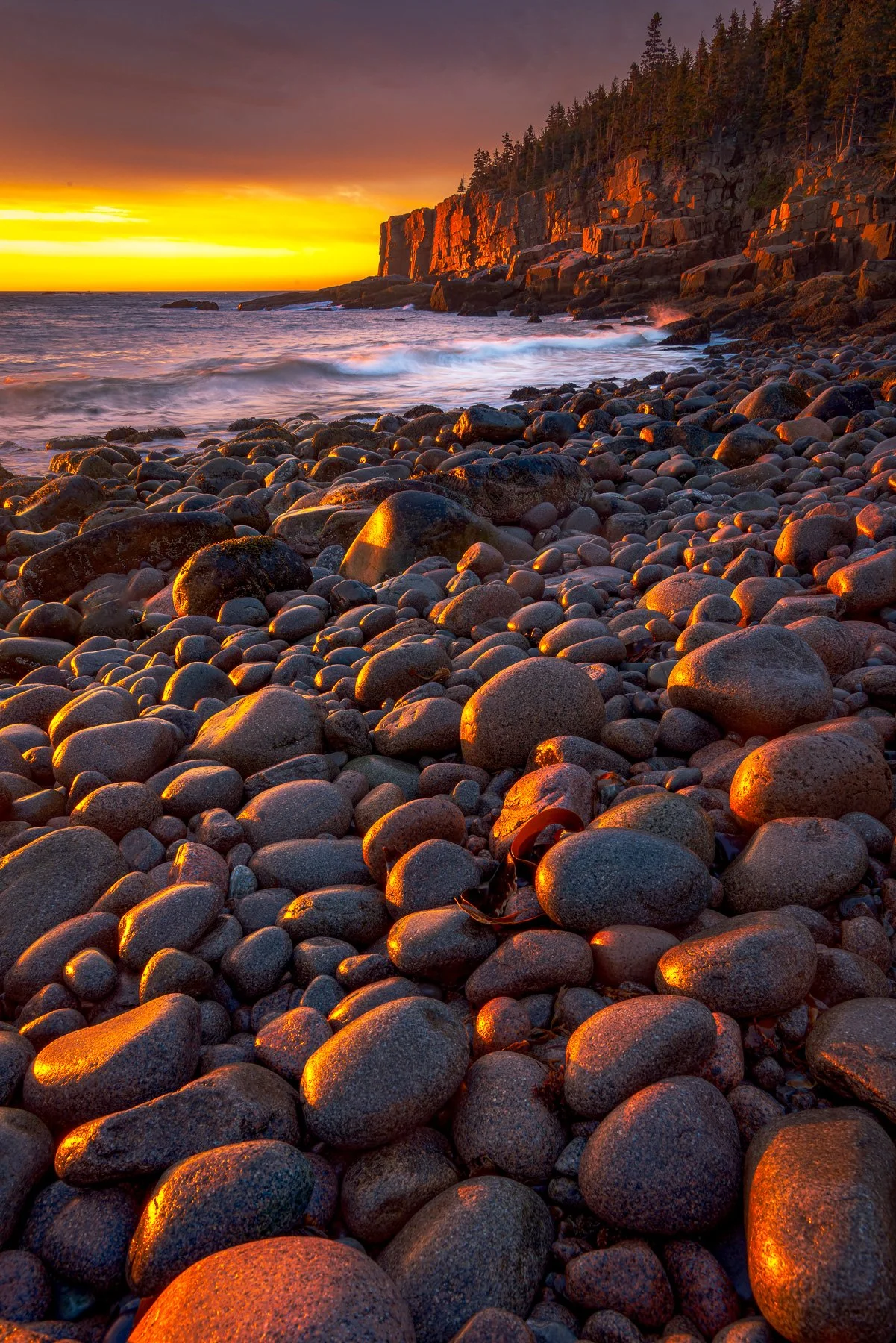
The Maine coast is a photogenic landscape, and the most significant destination is Acadia National Park. Acadia is the seventh most-visited national park; photographers make up a sizeable share of those visitors. The park is very picturesque, very accessible, and very diverse in its photo opportunities. Photographers generally plan their trips in the summer and autumn months. However, I feel that winter provides an excellent opportunity to capture exciting and unique photographs. The Acadia landscape in winter is cold, icy, and sometimes snowy. These conditions add a dynamic element to those iconic park locations, and the best aspect of photographing in winter is freedom. Freedom in the sense that there are very few fellow photographers present. Having Boulder Beach or Jordan Pond all to yourself is rare in any other season but common in January and February. The park also has some less-visited regions, such as the Schoodic Peninsula and the Cranberry Islands. The Schoodic Peninsula is roughly a one-hour drive from Bar Harbor and features its own loop road, making it easy to see all the sights. The Cranberry Islands are accessible by a short ferry ride from Mount Desert Island. Both of these options attract fewer visitors and can help avoid some of the largest summer crowds.
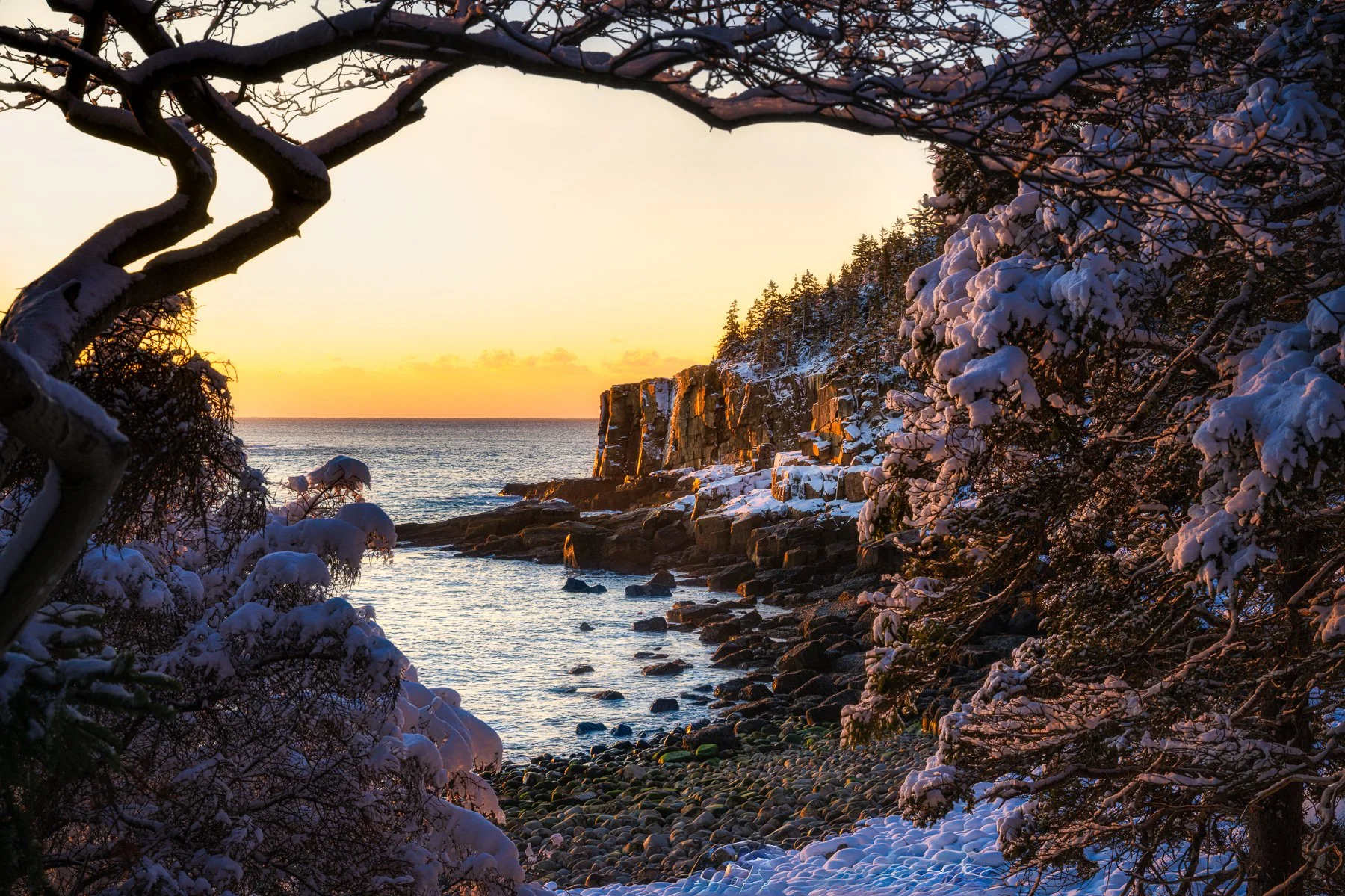
Acadia National Park
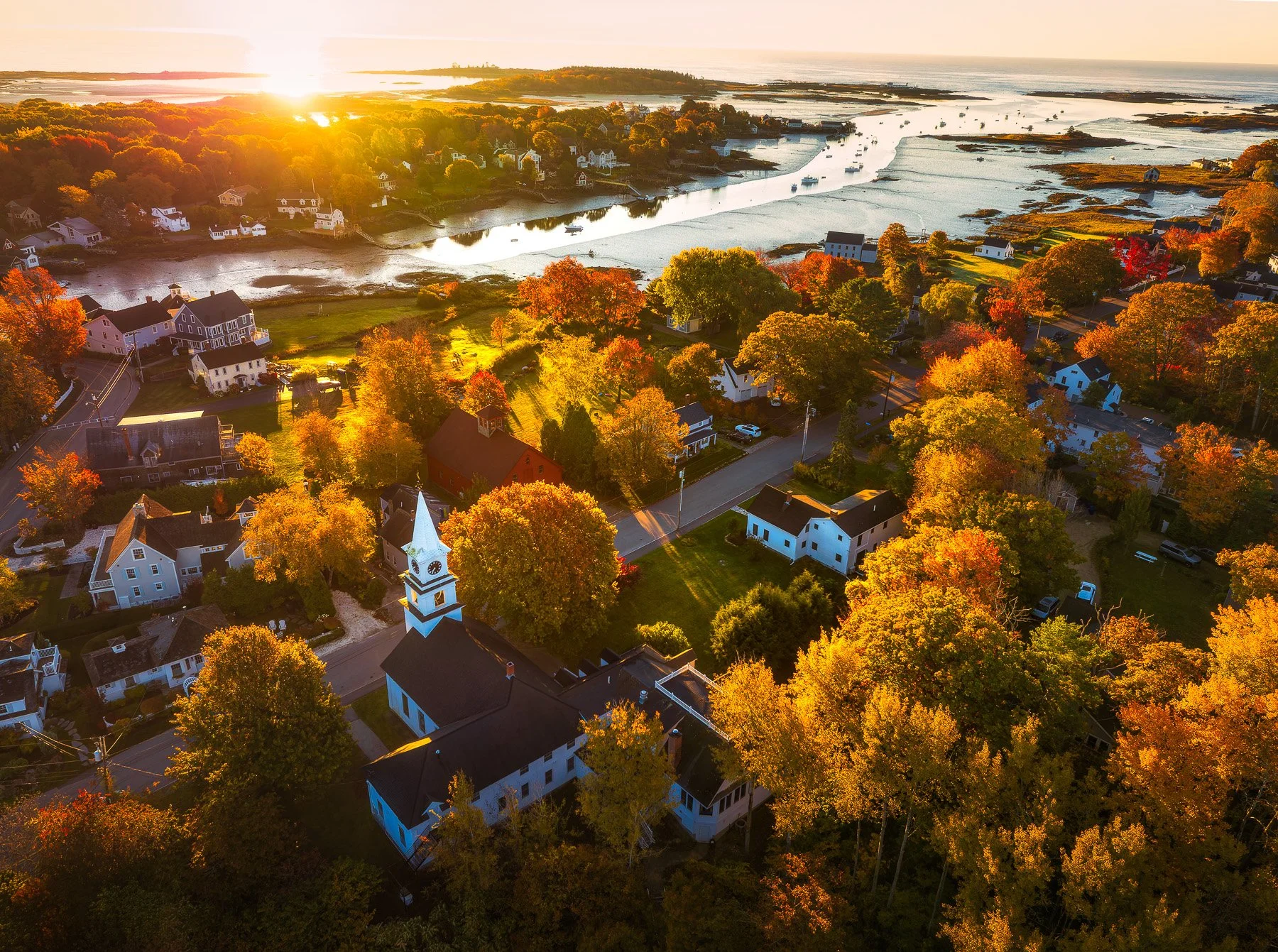
Southern Maine starts just over the New Hampshire border in the coastal town of Kittery. From Kittery, heading north, there is a series of small, photogenic coastal towns. From south to north, the towns most photographers visit are Ogunquit, Wells, Kennebunkport, Cape Porpoise, Biddeford Pool, Saco, and ending in Portland. These towns offer all sorts of photo subjects, including majestic lighthouses, working Lobster Harbors, long sandy beaches, and rugged rocky coastlines. All these locations take on a more magical appearance when witnessed just before, during, and just after sunrise. The Southern Maine Coast, with its proximity to large population areas like Boston, Providence, Hartford, and New York, gets very busy. In the summer, expect to share these locations with others.
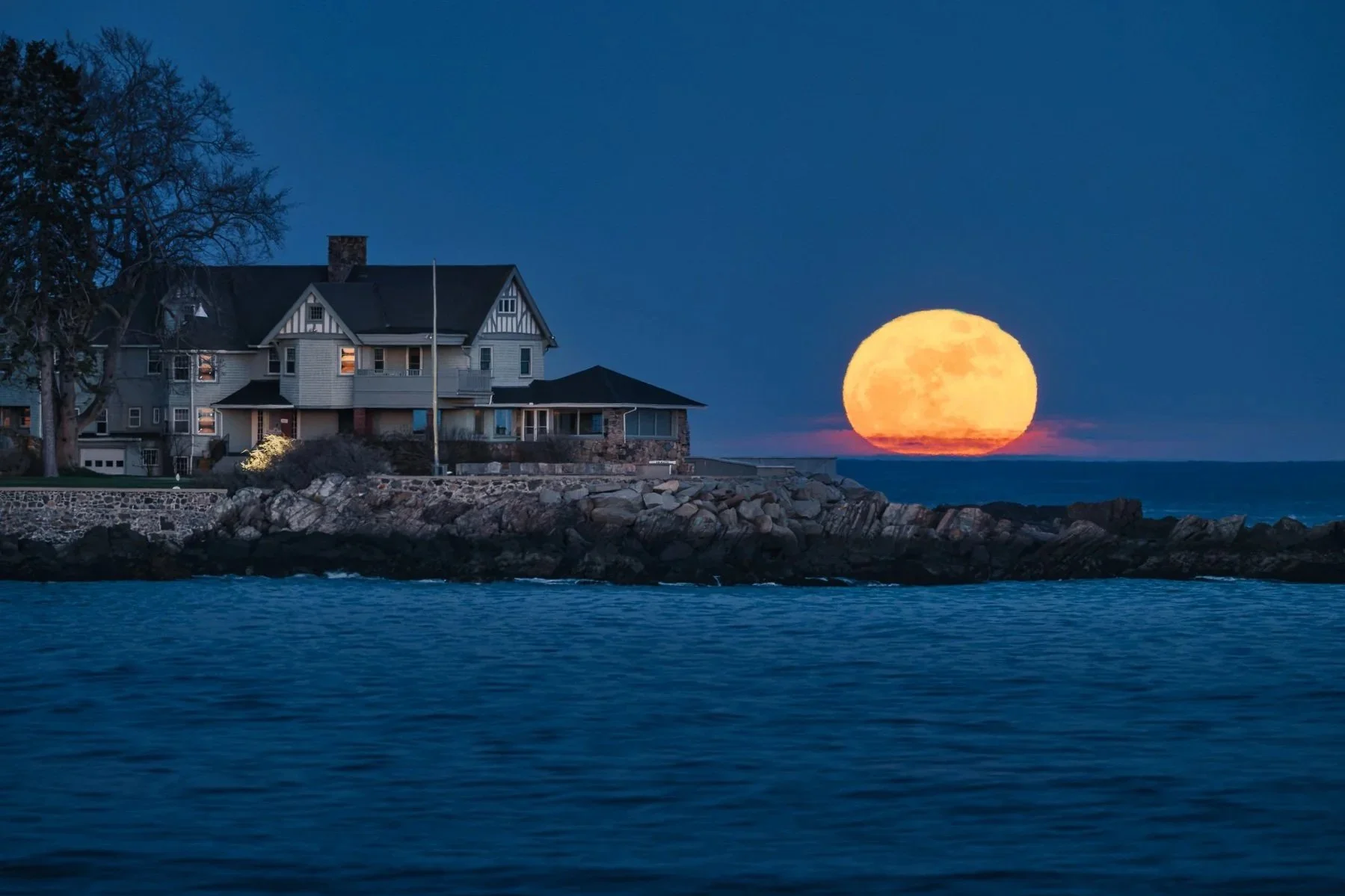
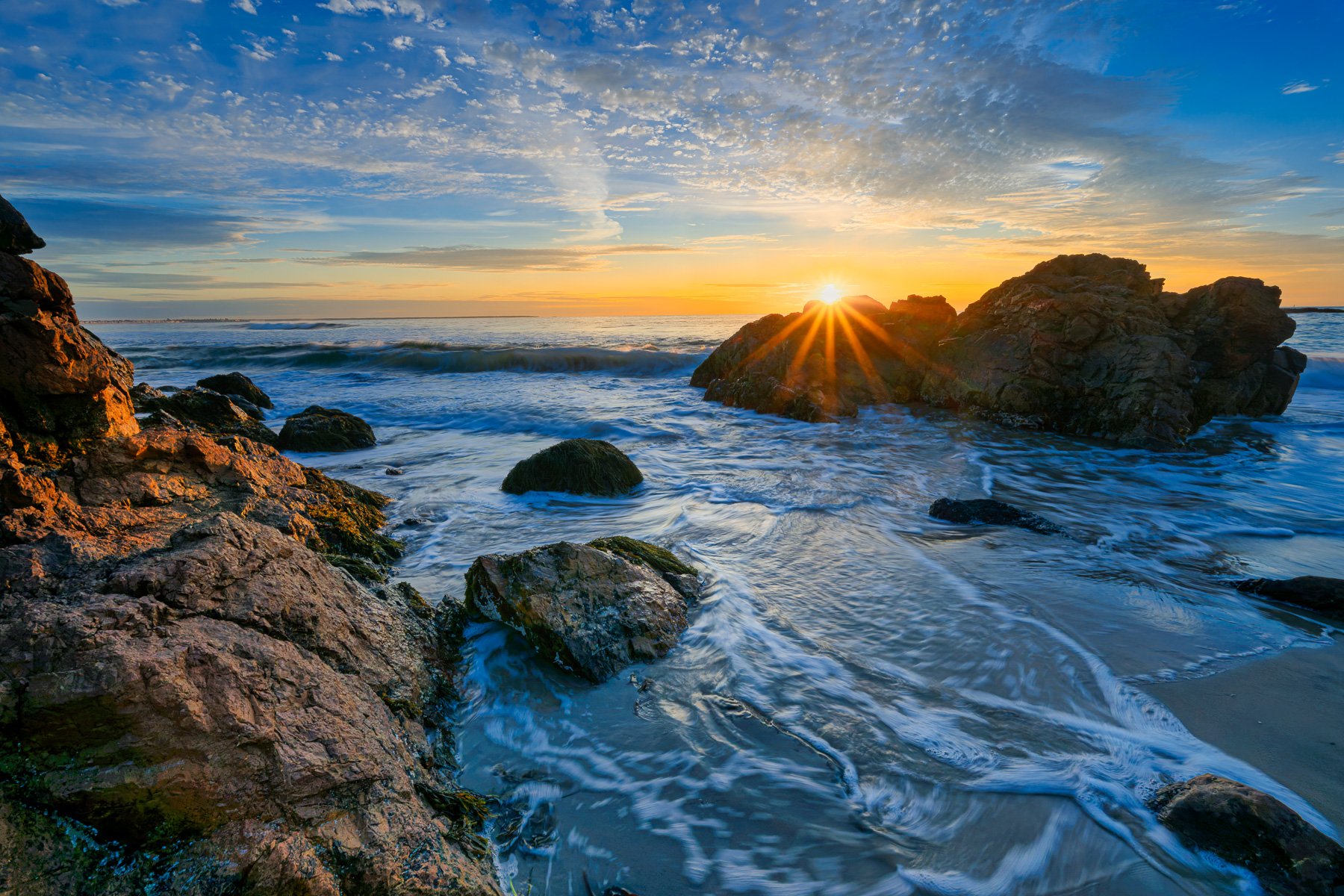
Kennebunkport
The Mid Coast region is known for its rocky coastline, long peninsulas, working lobster harbors, and countless islands. It is here that one starts to get a true feel for the Maine Coast way of life. The Mid Coast has its share of well-visited summer tourist towns like Freeport, home to L.L.Bean, Boothbay Harbor, and Winnecasset. The mid coast is home to many islands, each with its own unique charm and photographic aspects. Many of the islands are close and accessible by car using bridges. Some are available by ferry. One of the most photogenic islands is Monhegan Island. Monhegan sits in the Atlantic Ocean, ten miles off the coast of Port Clyde. In the summer, the ferry runs three times a day. There are no autos on Monhegan; actually, there are no roads. You walk everywhere, and that is its charm. The island is small, with one small community, a few buildings, a couple of places to get food, and two inns for overnight stays. The inns are quaint and rustic, and both make good meals. The rest of the island is built for hiking and birding, and in the summer, it is a vibrant artist community with regularly held painting classes and workshops. The back side of the island is a rugged coastline and majestic cliffs.
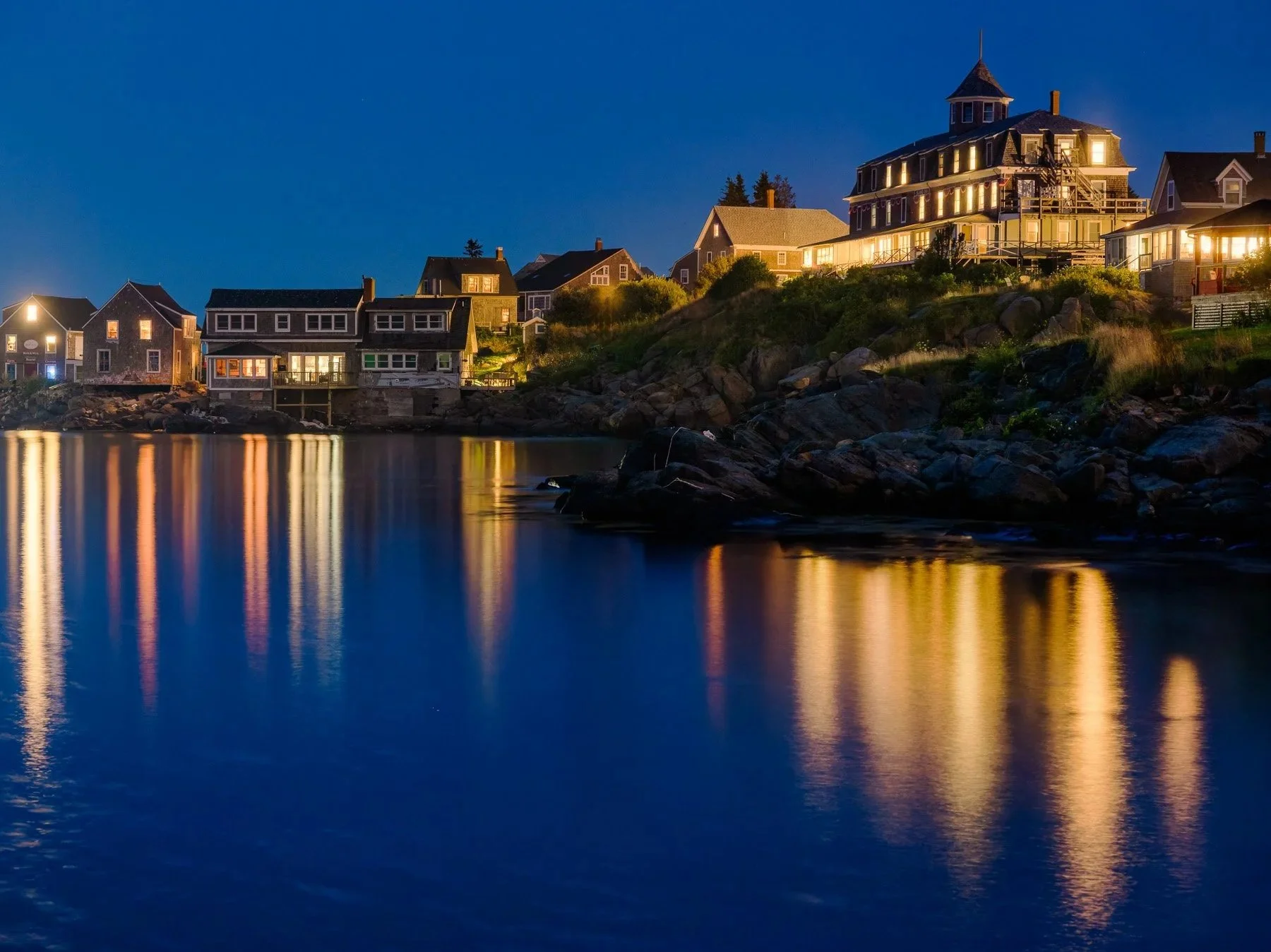
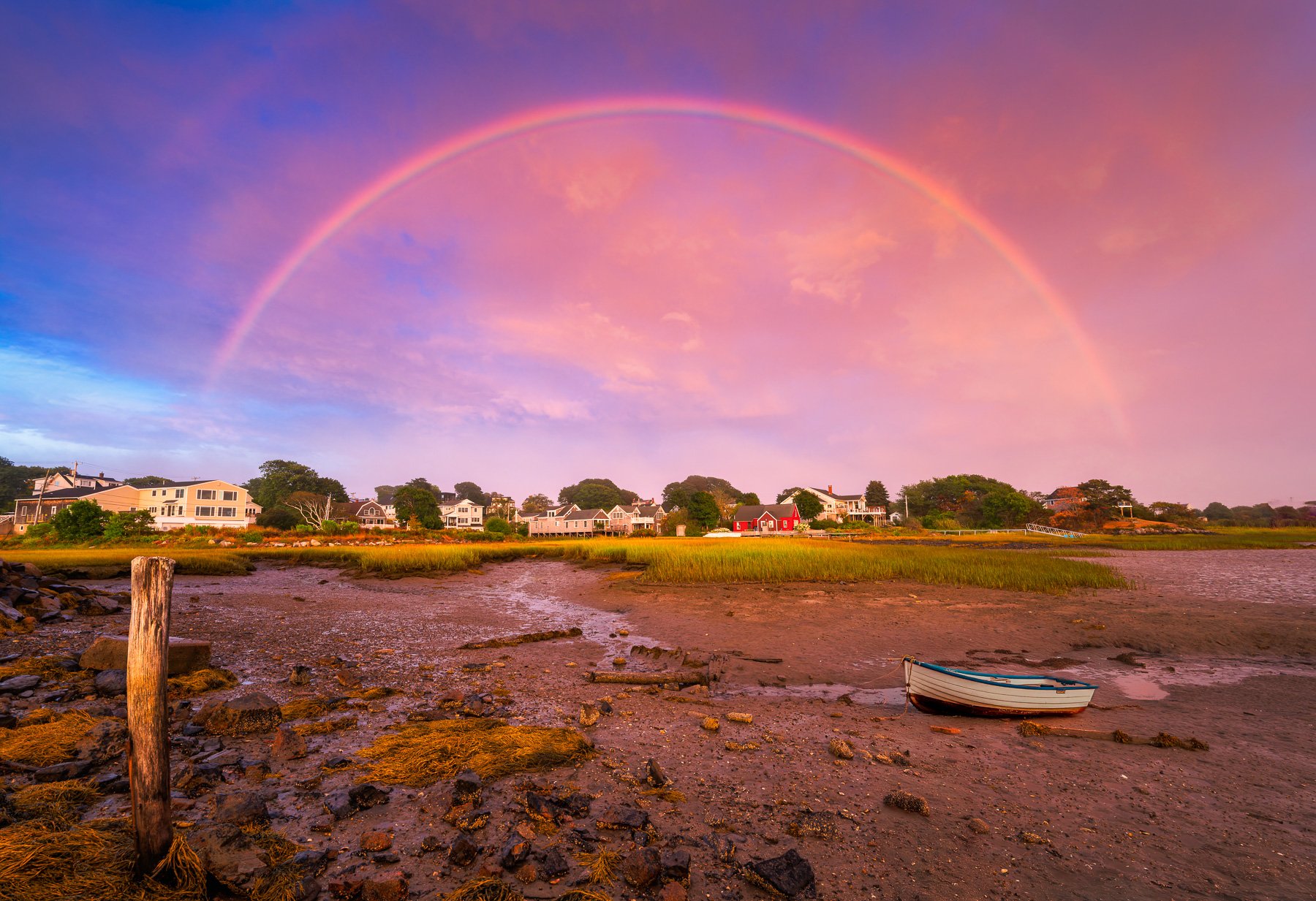
Monhegan Island
The mid-coast is also home to many popular lighthouses, the most visited being Pemaquid Light on rocky Pemaquid Point. Other lighthouses include Marshall Point Light, Rockland Breakwater Light, and Curtis Island Light. There are several picturesque towns and villages for those looking to shop, eat, hike, and wander. Camden, Rockport, and Boothbay, to name a few. The mid-coast coastline is vast and in some respects endless. Those planning to explore there should allow enough time.
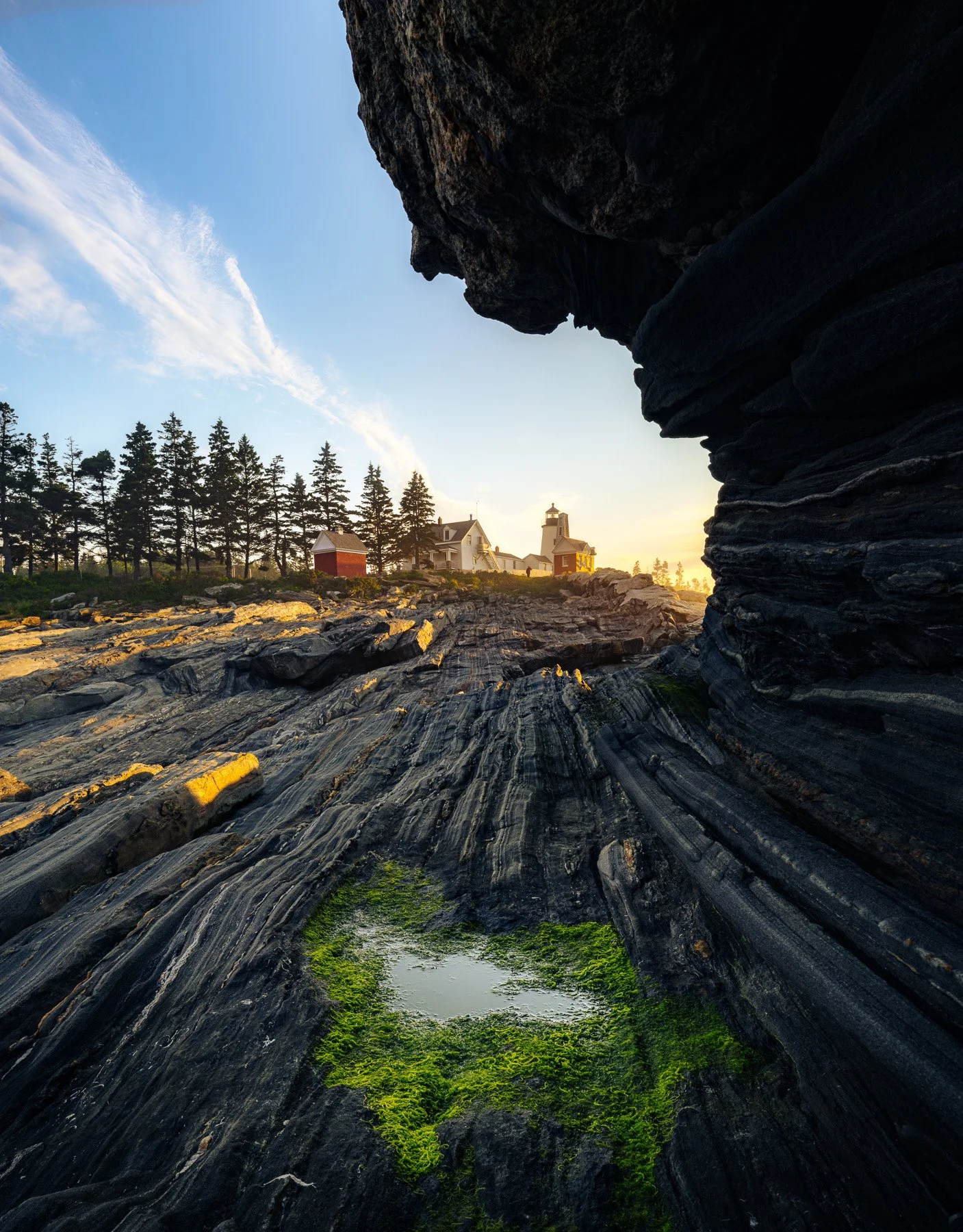
Pemaquid Point
The crown jewel of Downeast Maine is Acadia National Park. Acadia is the seventh most-visited national park in the United States, and this is most evident in the summer. If you plan a trip to Acadia in the summer, plan for long lines and waits, and bring lots of patience. In my opinion, the park is most photogenic in Autumn and Winter. Autumn is still busy with fewer tourists but more photographers than any other season. Winter is beautiful and has minimal visitors, but prepare for brutal conditions. Acadia National Park is more than just Mount Desert Island. It includes offshore islands and other locations like the Schoodic Peninsula, which is roughly an hour’s drive from Bar Harbor. Heading further north and east, there is much to see and do in the coastal towns of Millbridge, South Addison, Jonesport, and Jonesboro.
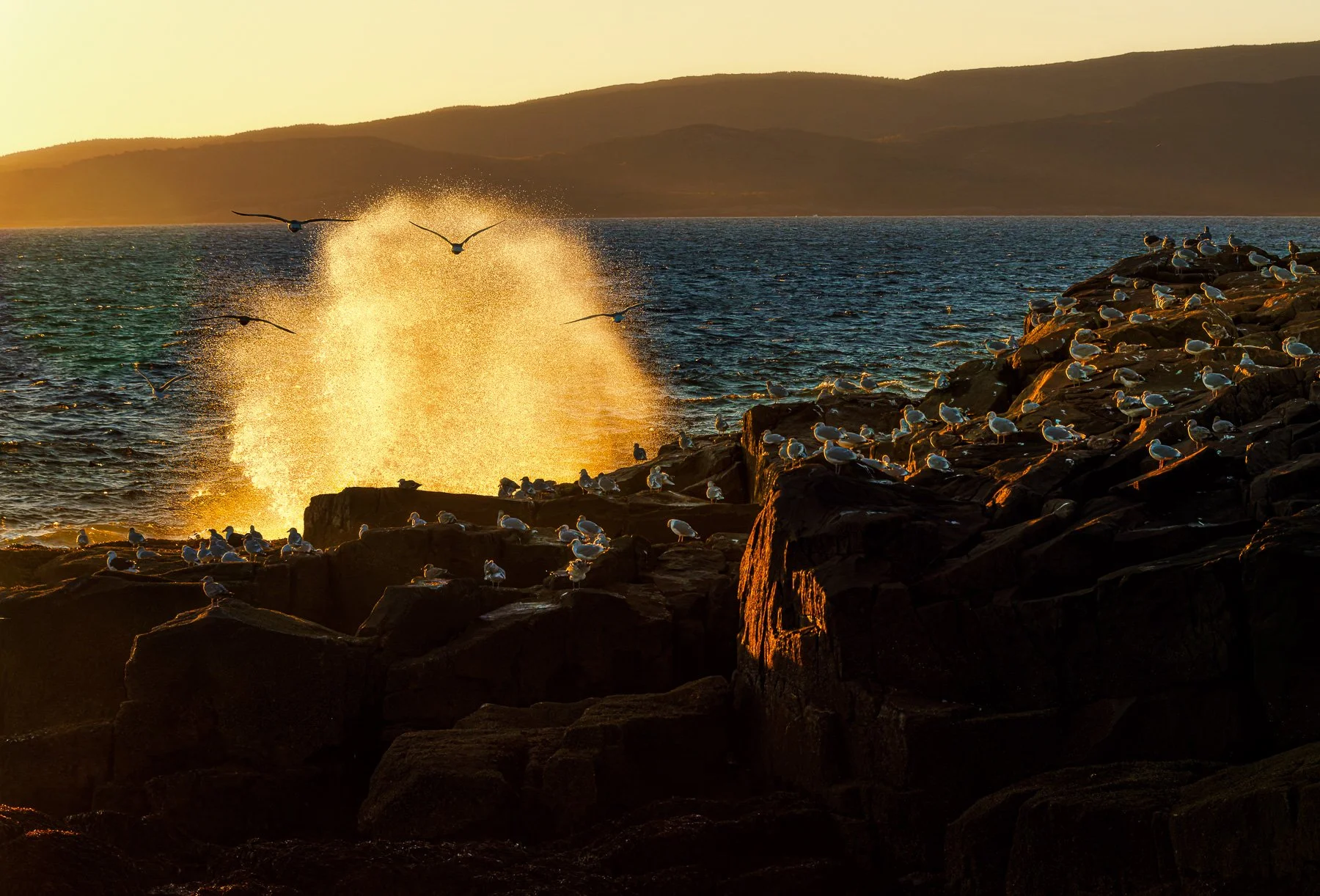
Schoodic Point, Acadia National Park
Heading even farther north along the coast, you will arrive at a section of coastal Maine affectionately known as the “Bold Coast”. This section of the coast extends right up to the Canadian border and is both rugged and beautiful. In summer, this stretch of coast is generally tranquil and visitor-friendly. In the other three seasons, storms can be strong, seas can be angry, and tides can be extreme. All these extreme elements are important ingredients in powerful landscape image-making. Just be prepared and cautious.
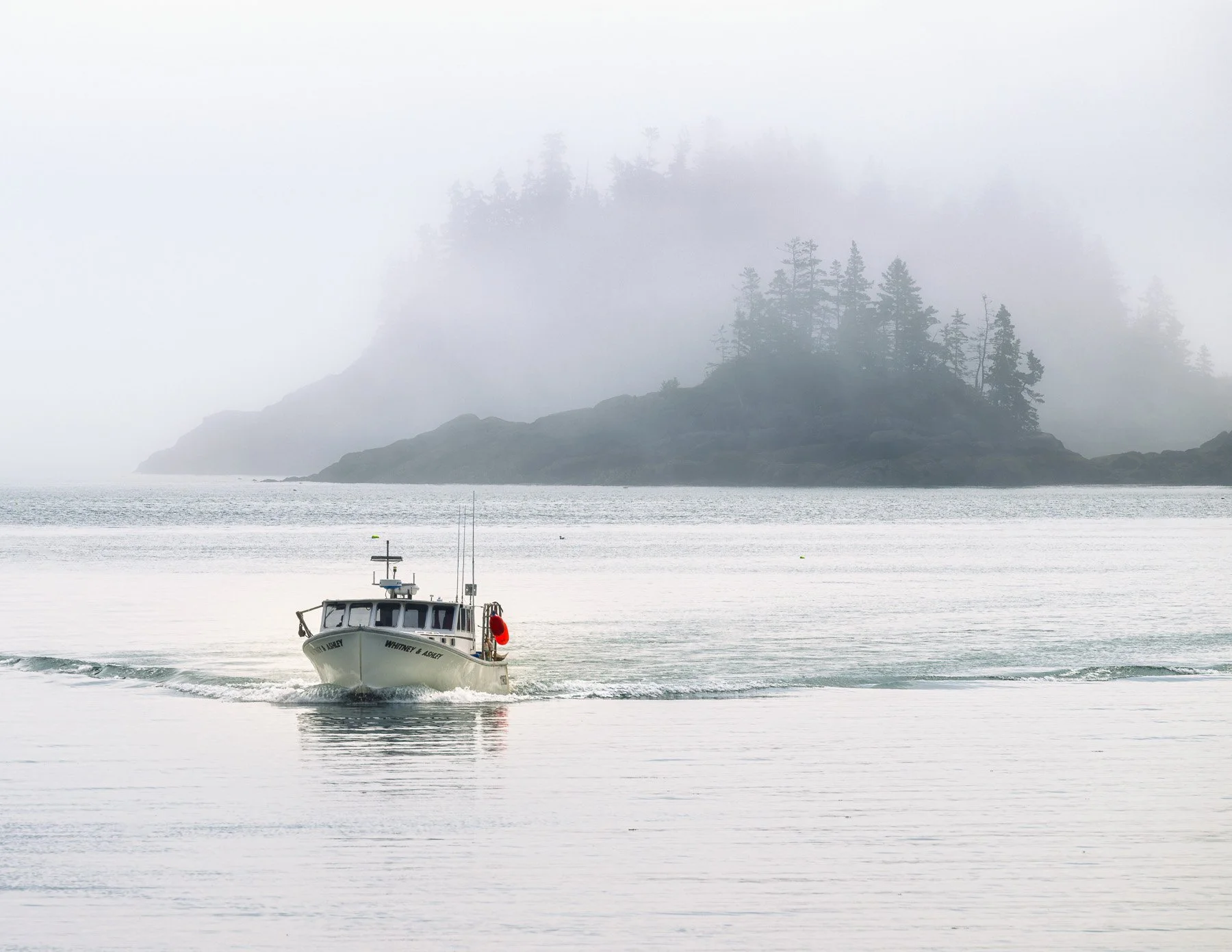
Cutler Harbor
The Bold Coast begins around the coastal town of Machias, and as you head north, you will want to explore the towns of Cutler, Lubec, and Eastport. Each one of these towns offers a quintessential Maine experience. These towns offer a hardy glimpse into life on the Atlantic Ocean with a heavy emphasis on Lobstering. The Town of Lubec offers some of Maine’s most iconic views and includes the easternmost point in the United States - The Quoddy Head State Park, home to one of Maine’s most visited lighthouses, The West Quoddy Head Lighthouse. Be sure to visit this lighthouse at sunrise to catch the first rays of the sun to rise on the United States each morning.
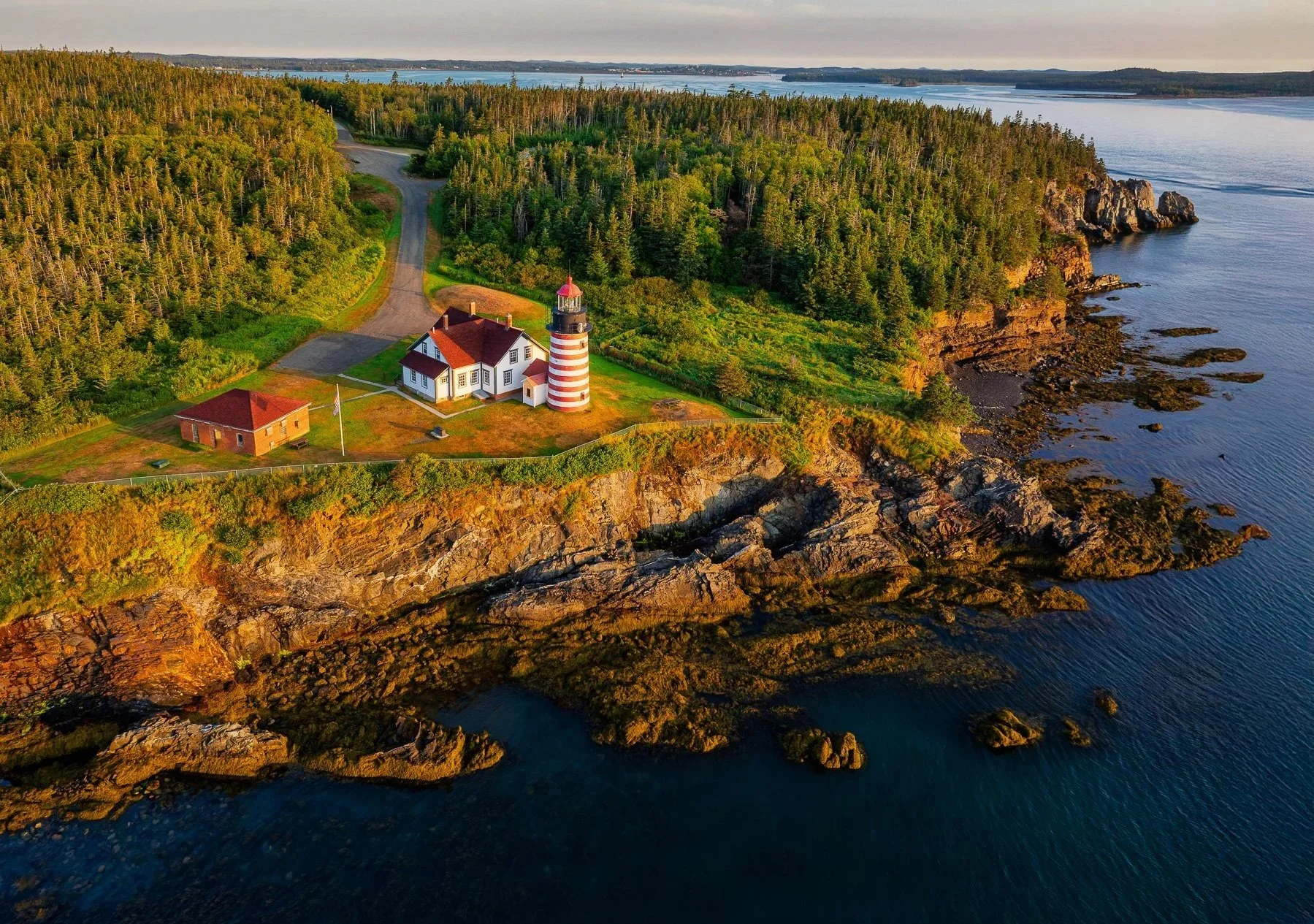
West Quoddy Head Lighthouse
There is much to see and do for any photographer who wishes to make the Maine Coast their target subject. Pick a region, make a plan, and hit the ground running. Every day, the weather, the light, the tides, and the Atlantic Ocean come together in ways that create ample opportunities to capture images unique to your experience. The Maine coast offers enough opportunity for a professional photographer to make a living through a lifetime of image-making, and many do. If your interested in viewing the work of some of the best Maine Photographers such as Ben Williamson (Benjaminwilliamsonphotography.com) and John K. Putnam (jkputnam.com) you can visit their websites for a large sample of great Maine images. Both of these photographers make excellent photography guides, whether you need one-on-one instruction or group guidance at one of their many workshops along the Maine coast.