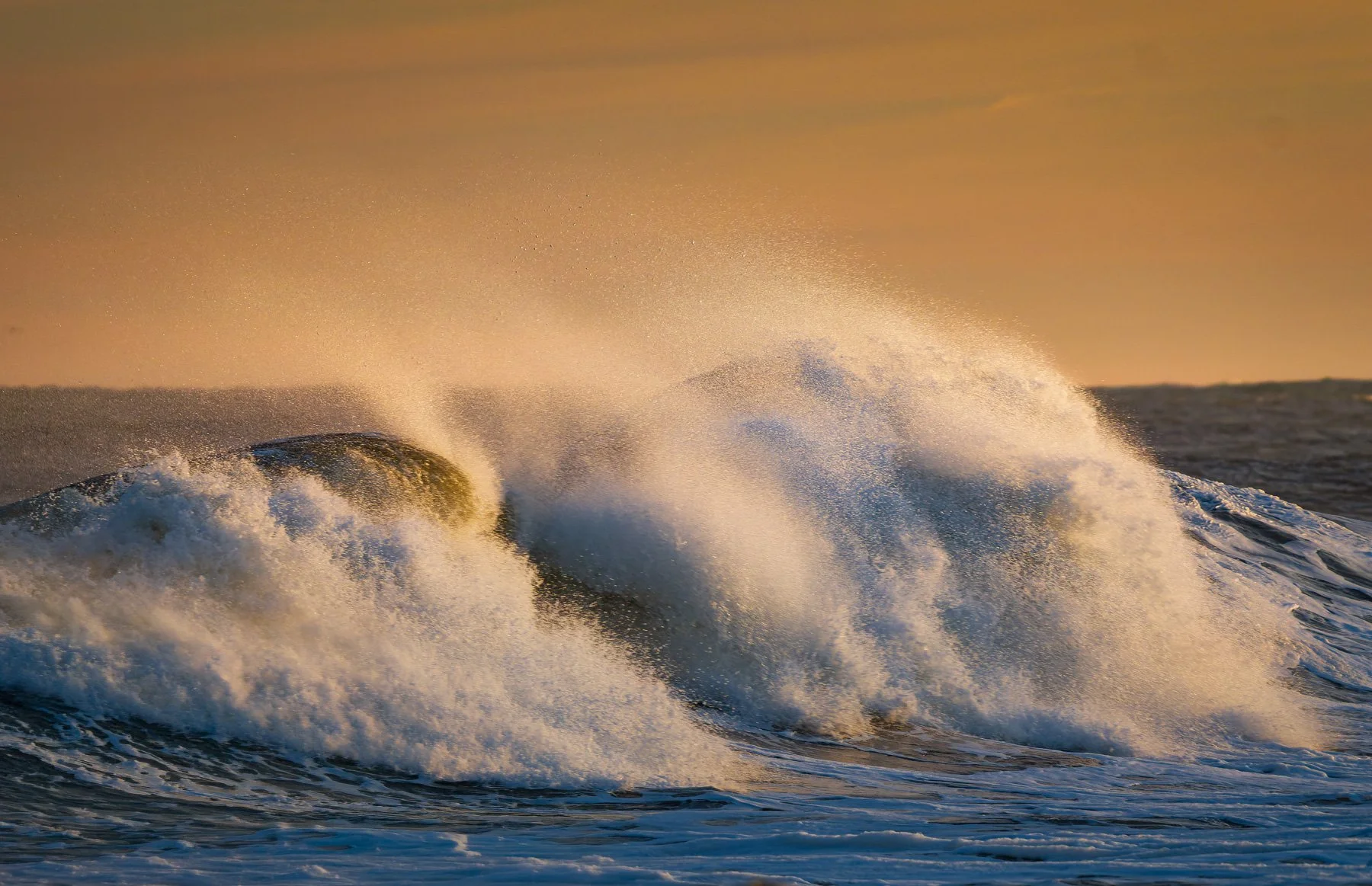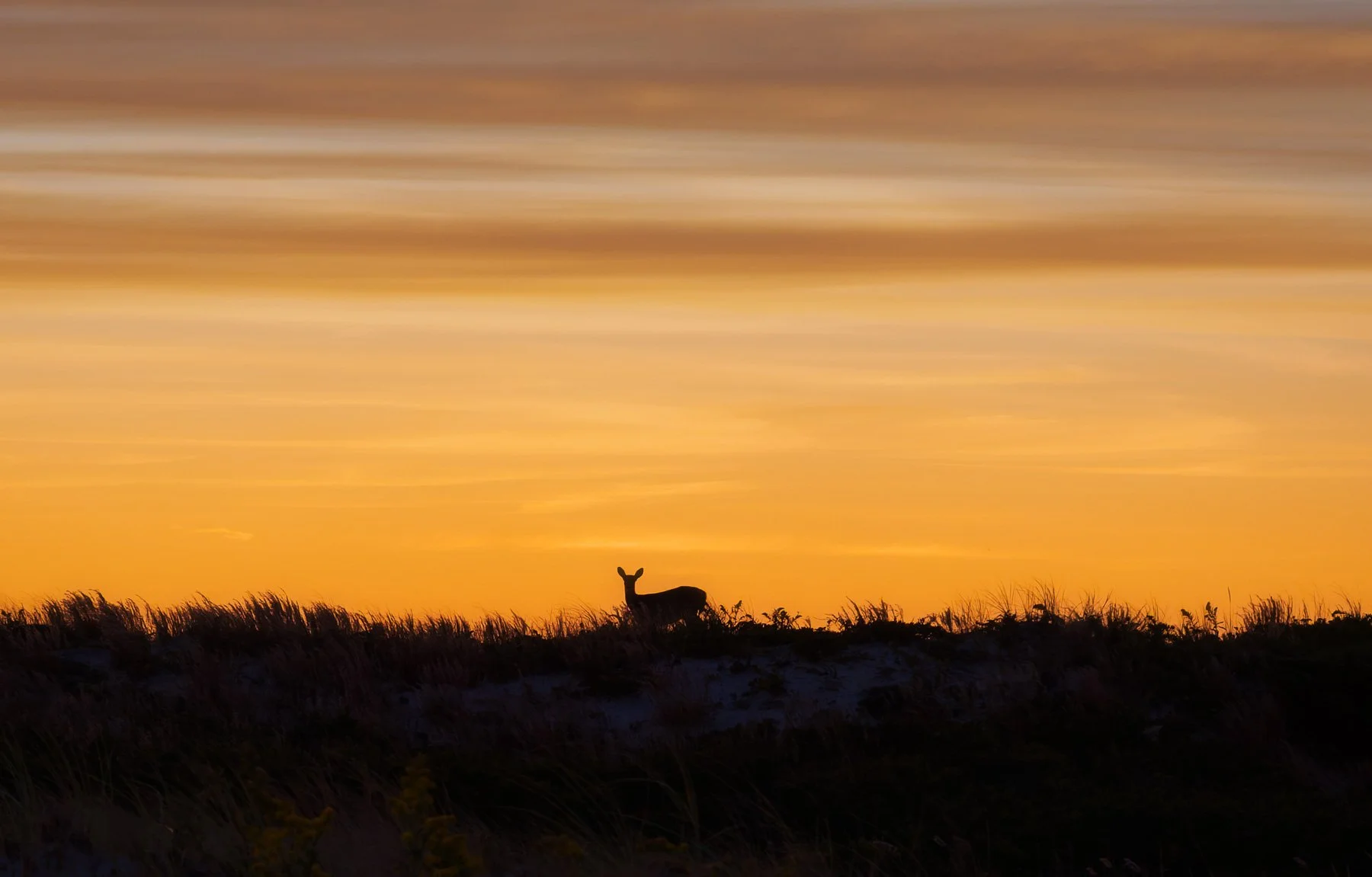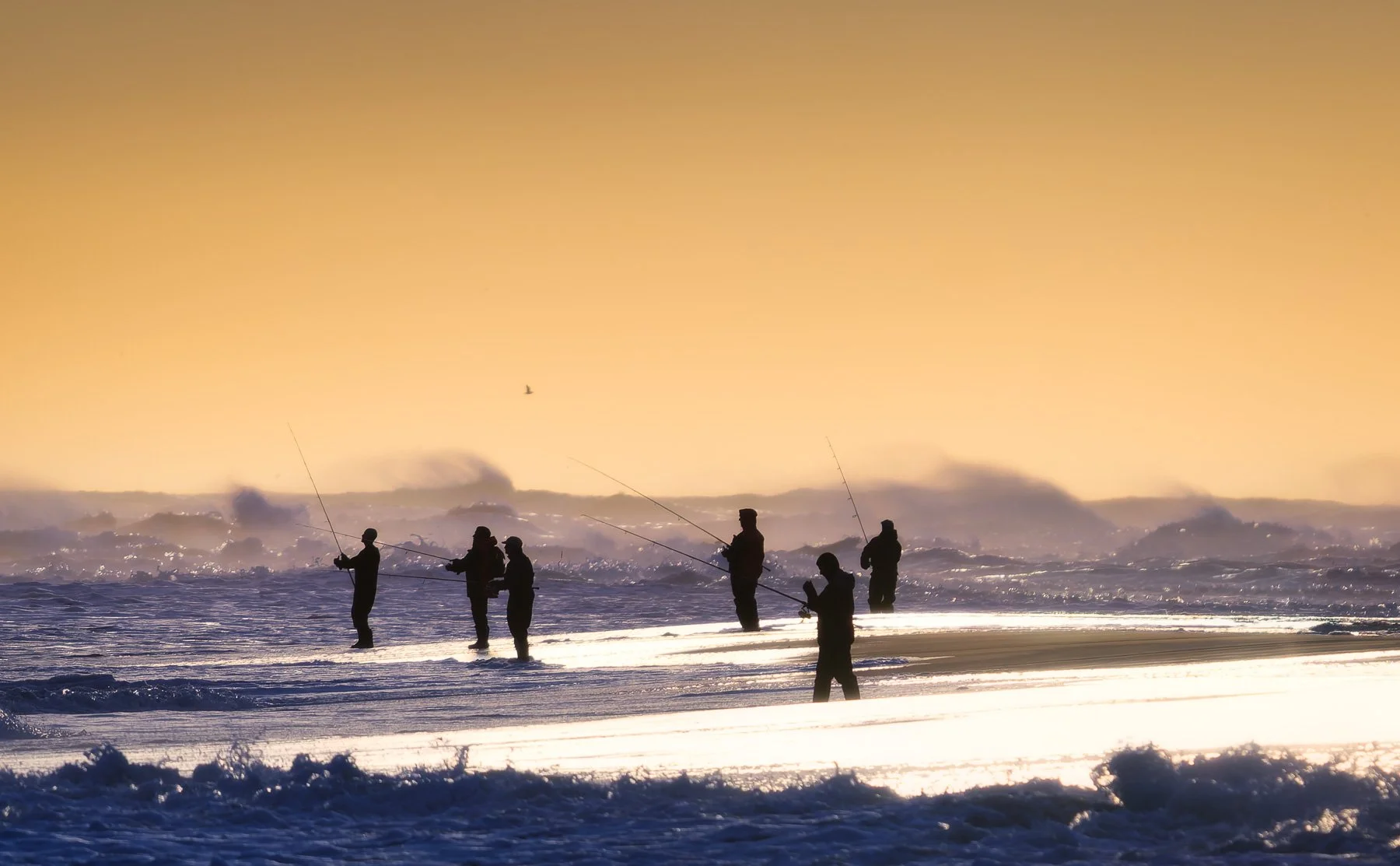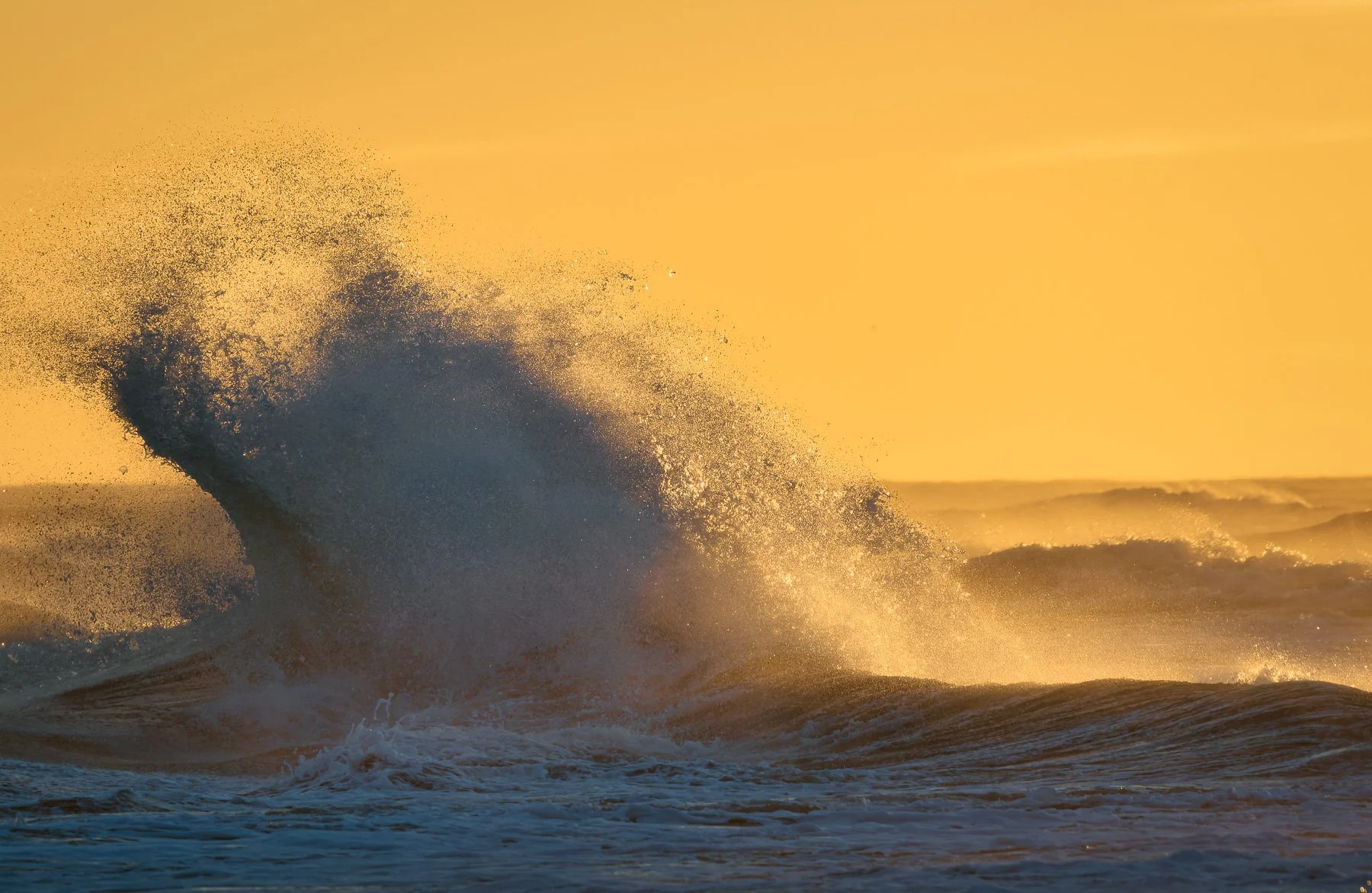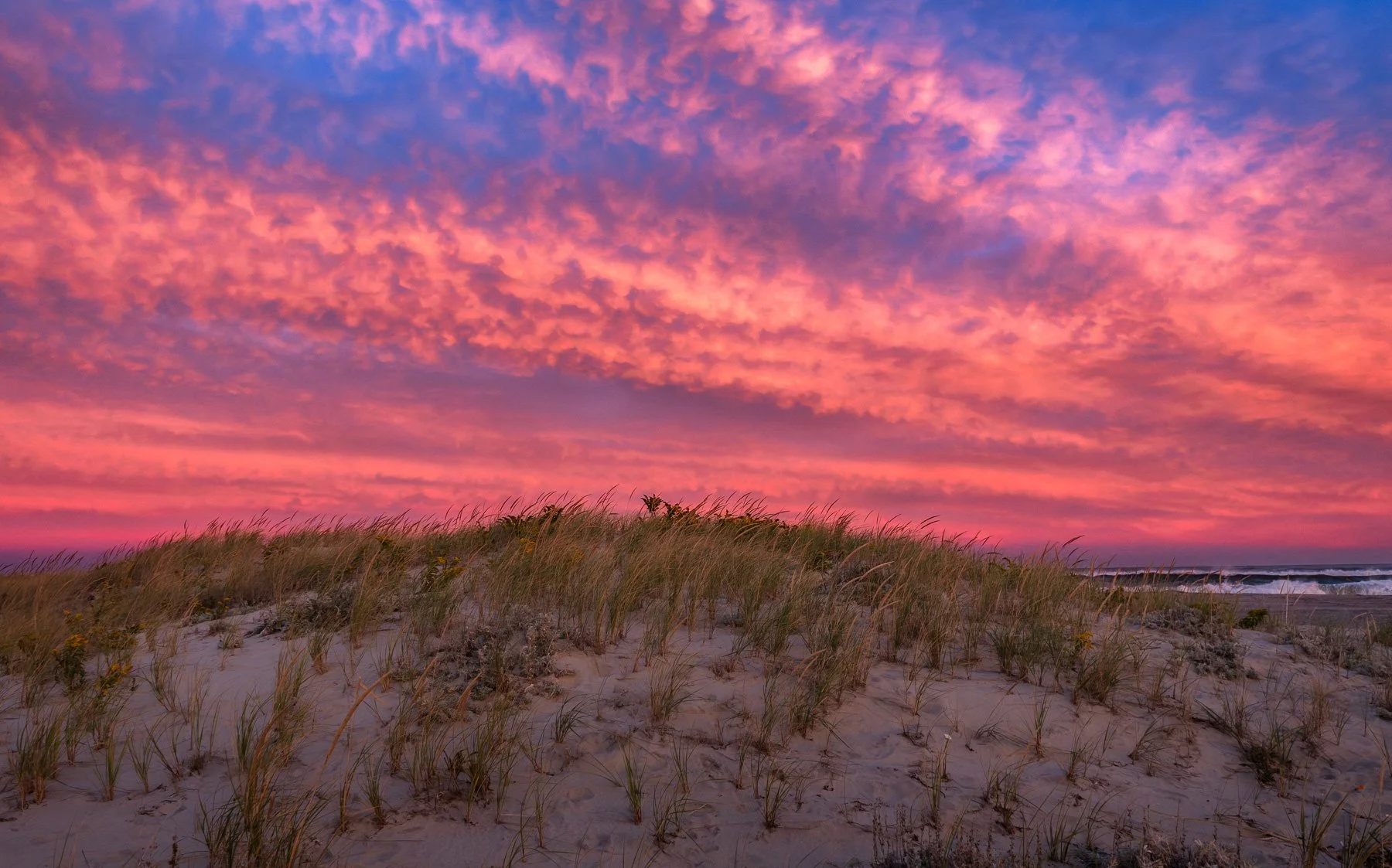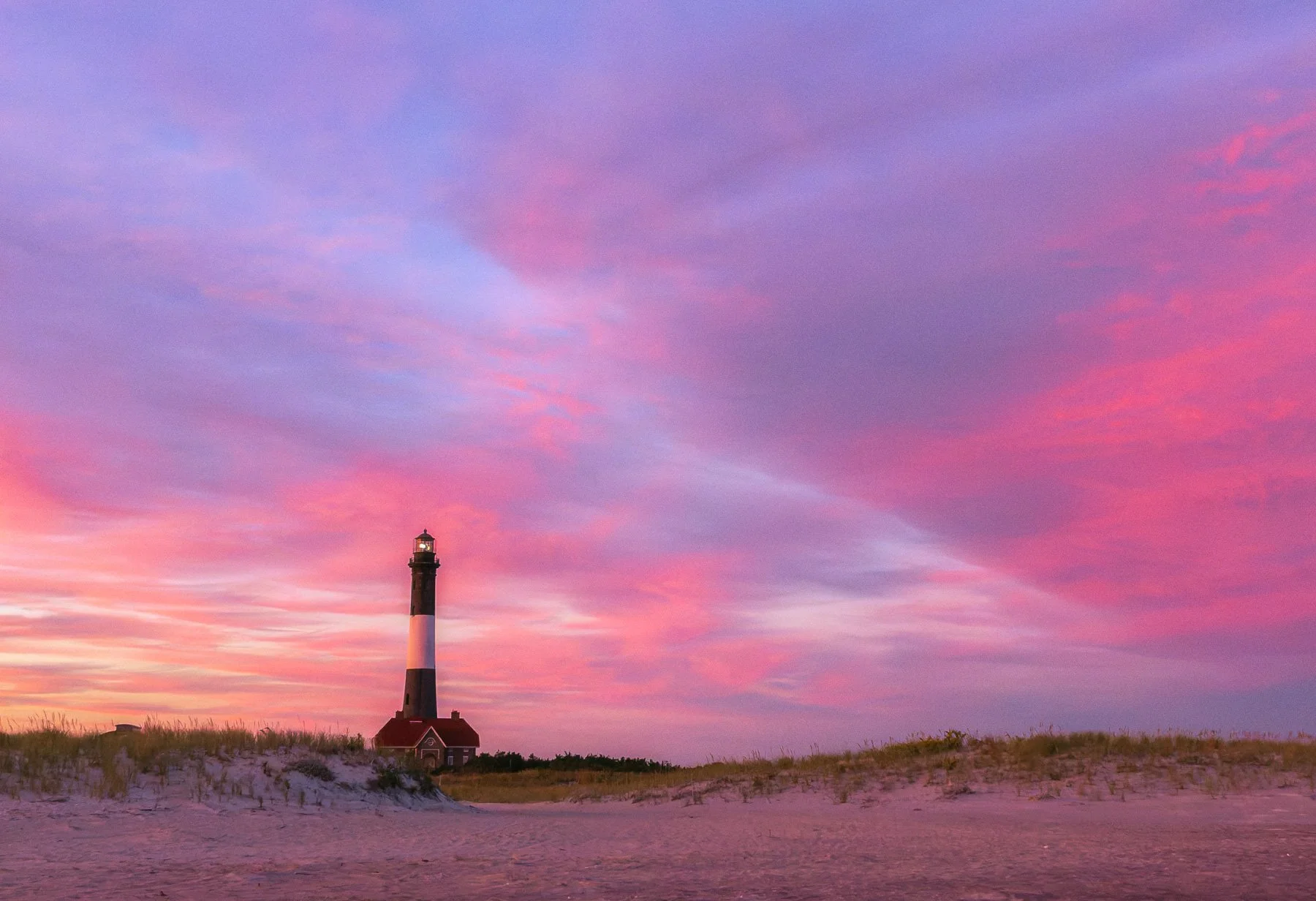

One of my favorite photography scenarios is a storm off the coast. This often creates ideal conditions for capturing good photos. Storms that are a good distance away frequently throw high clouds hundreds of miles in all directions. These create fantastic sunsets: the western sky stays clear, while the high clouds approaching the coast light up in brilliant colors. The storm also churns up the seas, sending large waves towards the beaches. Add some wide sandy shores with tall dunes, a lighthouse, and a fisherman or two, and you have all the ingredients for a compelling image.
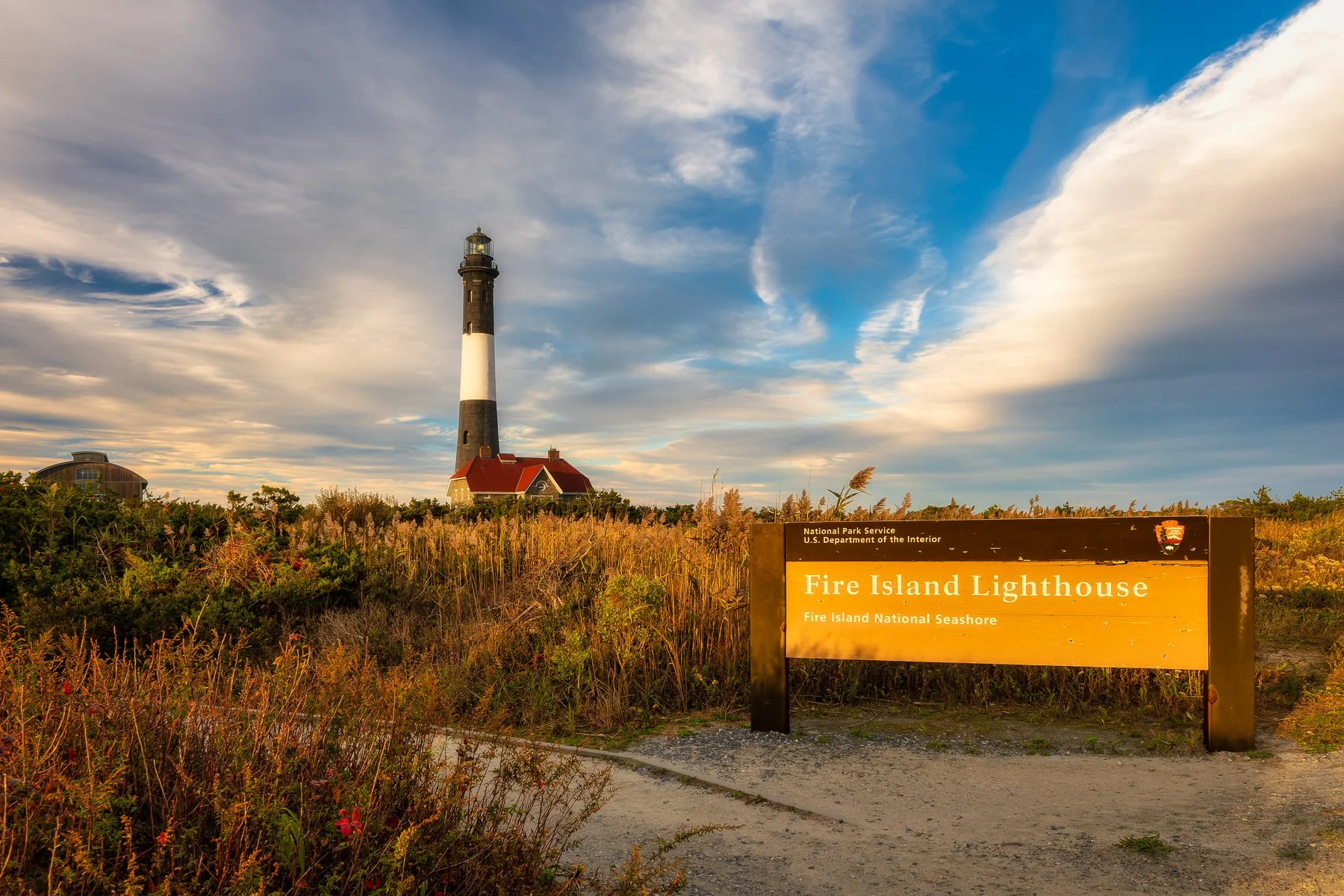
As chance would have it, all these conditions aligned earlier this week. My favorite close-to-home location for this scenario is the Fire Island Seashore, especially Lighthouse Beach at Robert Moses State Park on Long Island. The site sits a couple of hundred yards in front of the iconic Fire Island Lighthouse. That evening, even the light winds and the tide cooperated. Everything was in place; all I had to do was show up with my camera and choose my spots wisely.
You might think perfect conditions make photos easy: just point your camera at the beauty around you and click the shutter. It rarely works out that way. My first challenge happened hours before I arrived, when I decided to bring my APS-C Fujifilm camera paired with lenses I rarely use. It wasn’t a smart choice; my unfamiliarity with that glass and its slow autofocus performance became a hindrance. I was trying to freeze fast-moving, crashing waves, and I was accustomed to my full-frame Nikon Z equipment. The other issue had nothing to do with gear: What do you photograph when perfection happens everywhere at once?
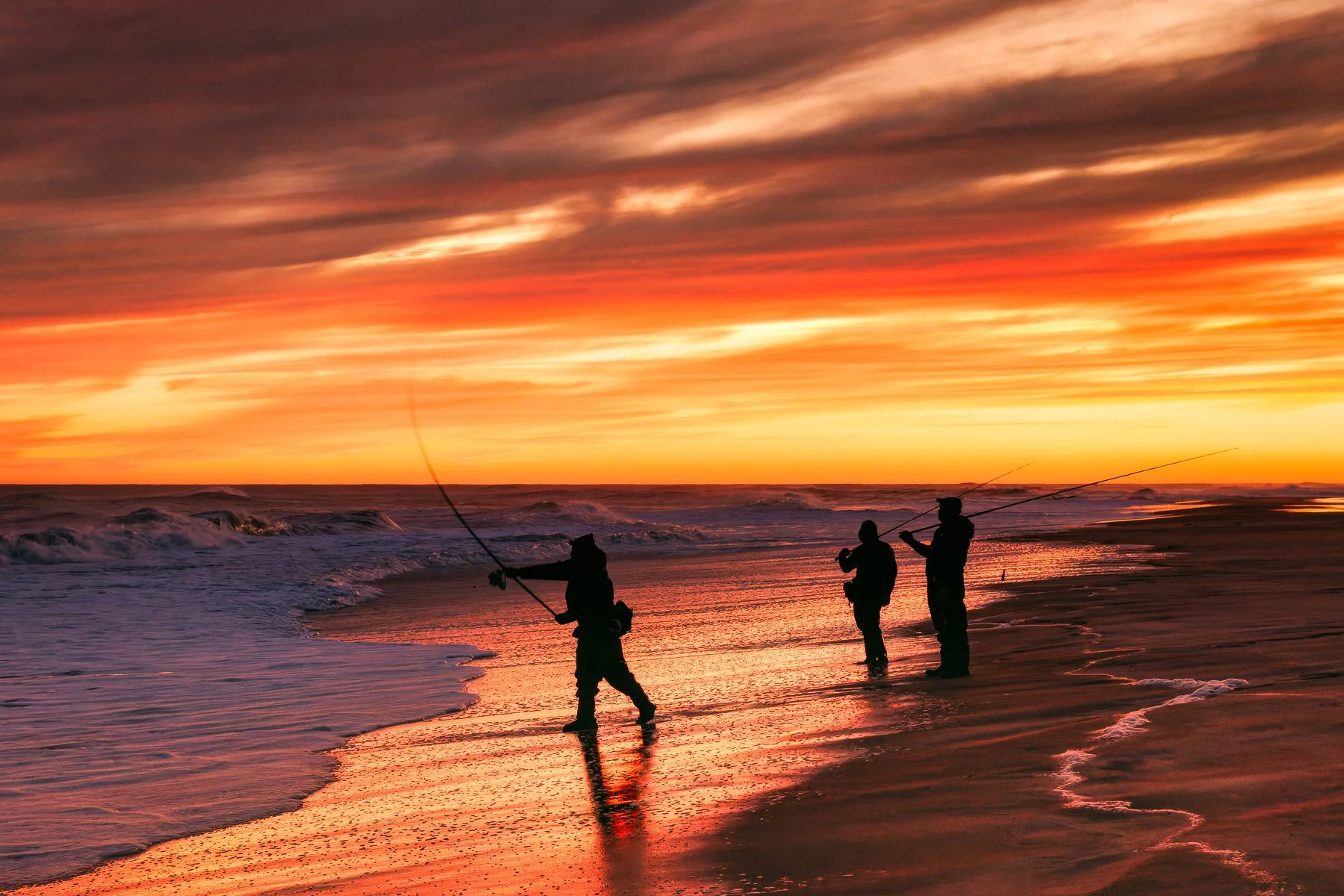
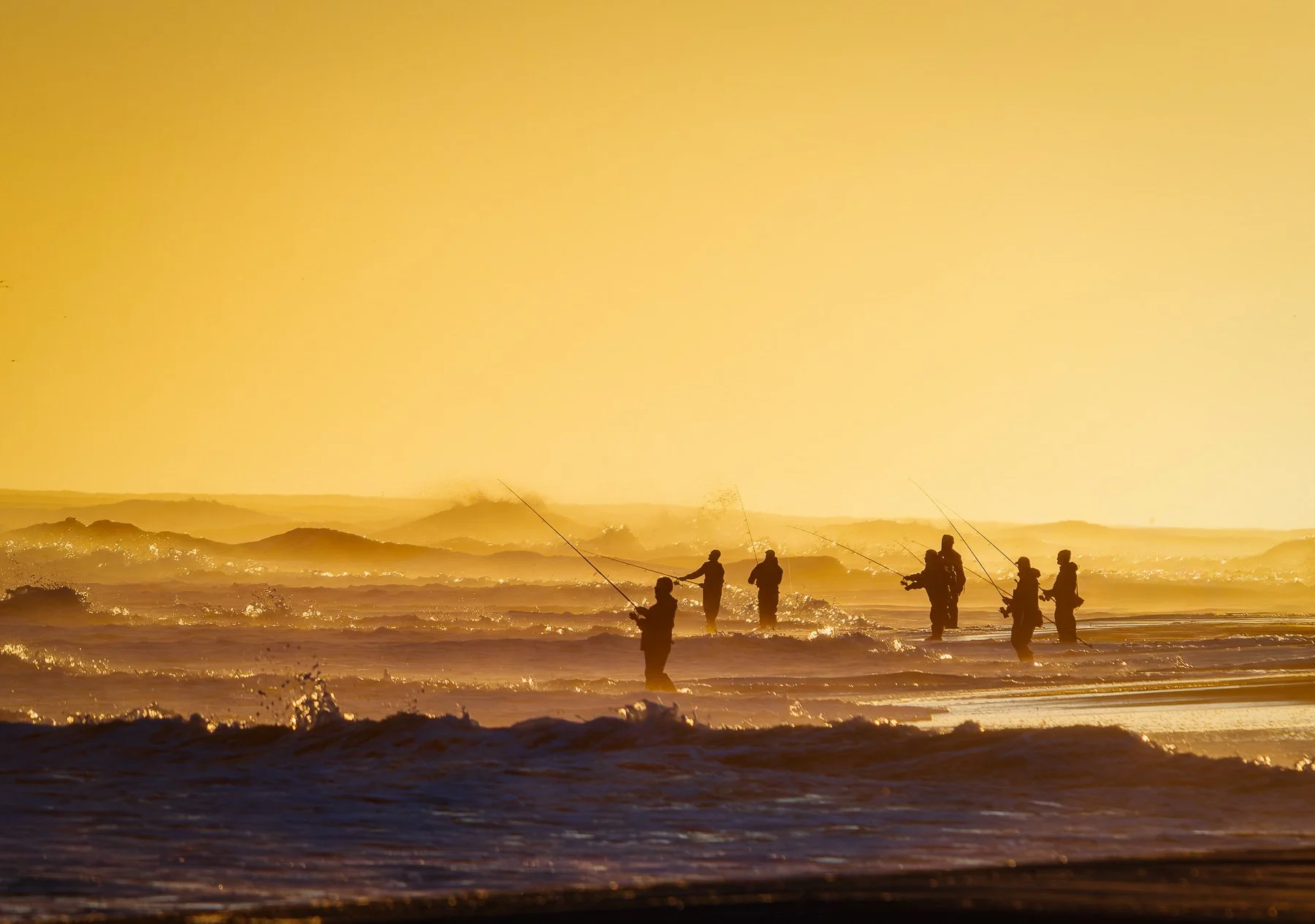
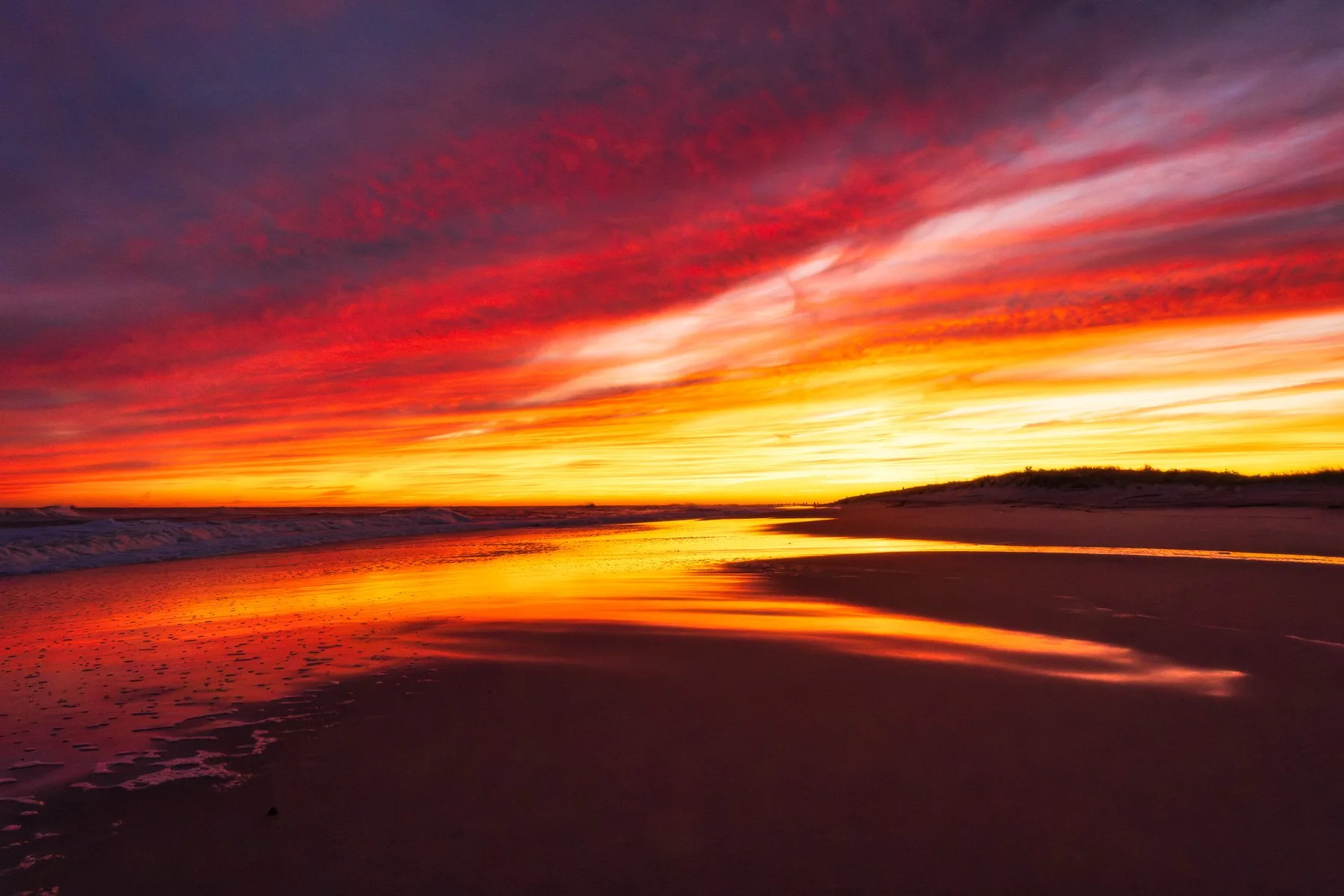
The skies were gorgeous in every direction. Do I photograph the lighthouse, the crashing waves, or perhaps silhouette the group of fishermen? Then there was the sunset casting reflections across the wide expanse of the sandy beach, plus active wildlife. Each subject deserved attention.
In moments like these, it's crucial not to rush. Pick the subjects that interest you most, and that best match the equipment in your hands. Running around, pointing the camera in every direction, and constantly changing lenses usually leads to missed shots and technical mistakes. As much as I tried to stay in control, I still found myself rushing, trying to photograph it all, and changing lenses too often. Consequently, I missed some shots and ruined some of the ones I did take - but it was fun. Plus, I still managed to come away with a few keepers I like.